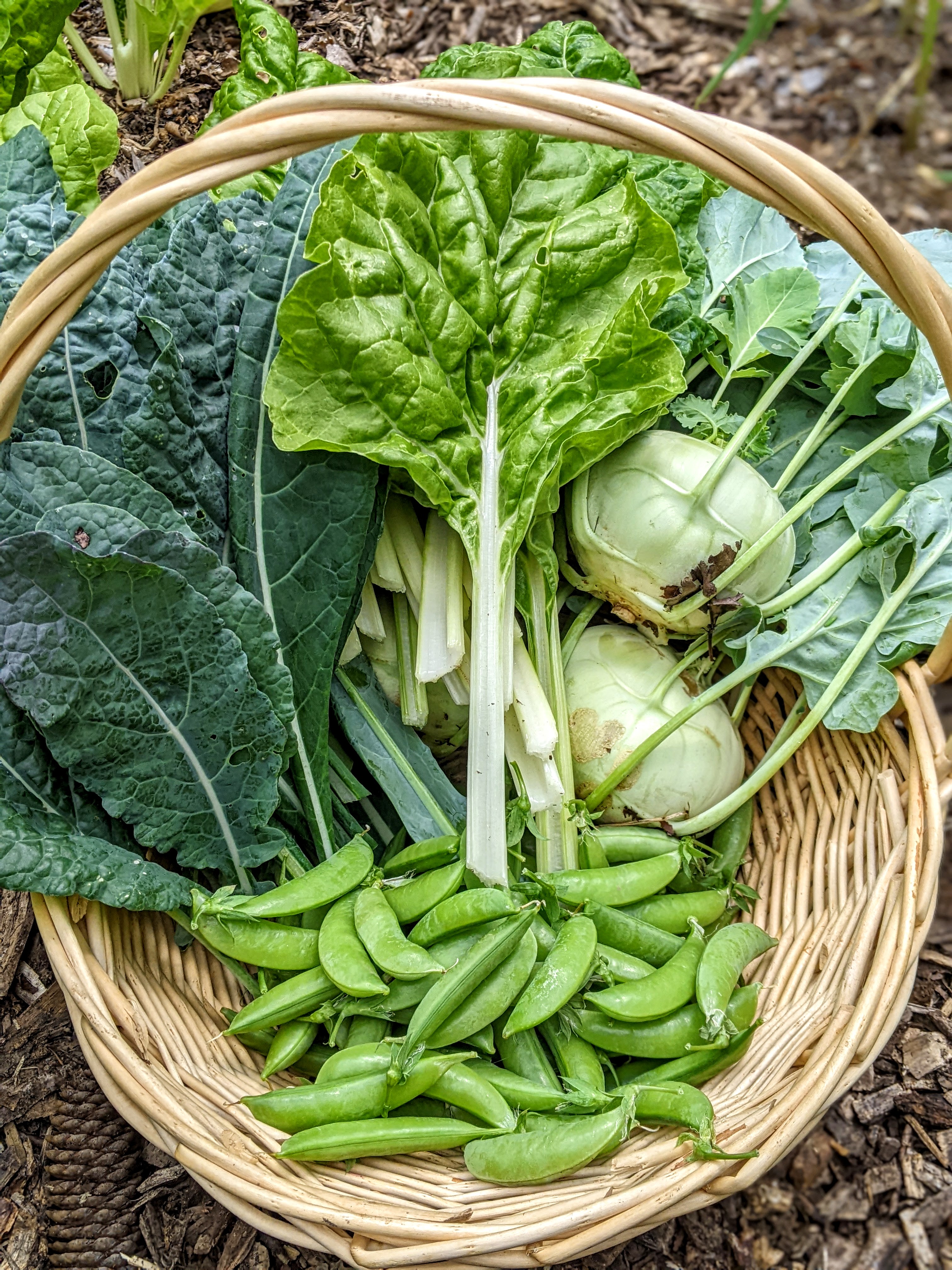
Approachable Homesteading; How to build your victory garden.
Once upon a time, not so long ago, there were no large supermarkets. Produce was local, Granny tended her vegetable patch, milk was delivered from the local dairy and victory gardens flooded the American landscape. There were no processed foods, and caning/preserving was a way of life. Slowly, the world is going back to buying local. We are reclaiming our backyards to grow food instead of grass. Let’s return to victory and fill our neighborhoods with edible landscapes.
As romantic as this sounds, there is a fear factor. A fear of “how do I get started, “what do I need” and “I don’t have time to garden.”
And you know what? That is all perfectly ok. We are here to make homesteading approachable. The motto is “It doesn’t have to be all or nothing. It just has to be something.” Something is the baby steps, the small things that all amount to something really amazing.
Below is a rather detailed beginner’s guide from The Farmer in the Red Hat. Keep this post handy as you begin to plan our your garden!

Suburban Homestead Crash Course: Planning your backyard victory garden.
The Basic Questions:
What types of vegetables does your family like to eat?
Proverb #1 from The Farmer in the Red Hat: “If your family doesn’t eat a lot of salad, don’t plant 20 heads of lettuce.”
Planning what you’ll grow in your garden is a very personal matter. Sit down (with your kids!) and brainstorm a list of the vegetables your family enjoys. Then, highlight the vegetables you may want a surplus of. Example: I prepare a can a lot of fresh tomato sauce for the winter months, so I want to grow a bumper crop of tomatoes. I make kale salad every week so I want to plant extra kale plants.
In addition to the vegetable list, you want to create a list of herbs and flowers to grow. Basil is the number one herb for most kitchen gardens. But what about tarragon, chives, oregano or chamomile?
How many people will my garden feed?
If you are just beginning your garden, or don’t have a lot of growing space, you may not be able to grow enough to be completely self-sufficient. You may also want to use your garden as a supplement to your grocery store run. It may also take a few years to get your plant to person ratio correct.
My family eats a lot of Tuscan kale. We grow between 10-12 plants per season. Every family is different. What is important is keeping notes each year of what you grew and how much of each. Be honest in your feedback. Did you grow too much of one crop and too little of another? Keep in mind how much room all of these plants are going to take up. Consult the backs of seed packets and books for how to best space out each plant. In the case of our 10 kale plants above, we space them rather tight at around 12”, meaning the 10 plants will take up 10 square feet of garden space.
What will grow in my zone?
If you live even farther north than we do in Massachusetts, don’t try growing giant 10 pound watermelons. The season is not long enough for the fruit to ripen unless you are growing them in a heated greenhouse. If you live in the dry Southwest, you probably want to avoid trying to grow cool season crops like kohlrabi in the dead of summer where it will get scorched and dry.
Talk to local gardeners and growers and find out what they are growing and when during the season they plant them. While seed starting calendars and seed packet instructions are great for guidance, they are no replacement for the best resource, your neighbor. The gardens in your community have the experience to know what will work best in your town, and what won’t.
Pick some fun plants!
This is the exciting part of gardening, experimenting and trying new things. Every year we look through the seed catalog and find something we hadn’t grown or eaten before, and figure why not? What is there to lose? If the plant doesn’t grow well or we don’t like the taste we take it off our list. If the plant is a huge success with our family we add it to our usual rotation. In past years, our experimental plants have included winners like saffron, globe artichokes, kohlrabi, and zaatar, and shallots.

The Logistics
Fencing and animal proofing:
Think of the critters, big and small, you have roaming your property. In our case, we have a herd of deer, chipmunks, a wolf, birds, squirrels, and a cheeky groundhog. As a result, our garden has a higher deer fence of over 7 ft weld wire around our garden. Don’t assume that every plant you grow needs to be behind a high security enclosure. We plant plenty of herbs and flowers that deer, groundhogs, and rabbits don’t eat. Putting these resistant plants outside of fencing allows us to cut down on the amount of materials we need to buy while expanding our growing locations around the property.
Sun vs shade:
During the main growing season, spring to fall, remember the sun will be higher than during the winter. Here, in New England, we primarily focus on the sun position between the spring and fall equinox. On your property, take a few observations throughout the day of where the sun and shadows are, mid-morning, noon, and mid-afternoon. Most of the vegetables on your list will likely need 6-8 hours of sunlight during the main part of the season.
Soil types:
Soils range from very sandy (drains really well but won’t hold a lot of water and nutrients) all the way to heavy dense clay (drains very poorly but can hold a lot of water and nutrients), and everything in between. Familiarize yourself with your soil using all your senses. What color is it? Does it hold together if you squeeze it or does it crumble apart? A soil test will go a long way at the beginning to tell you what you are starting from, giving your guidance on pH (acidity), amount of organic matter, and any nutrient or mineral deficiencies you might have to correct.
Raised vs in-ground garden beds:
Chances are, your backyard does not have “perfect” soil. Are you looking for a quicker solution to get started? While raised beds are not the cheapest start up costs vs growing in native soil, they could be a very good solution for most people. You’ll need some sort of frame to hold in materials, either DIY or premade, and then fill it with your ideal growing soil. There are plenty of resources available for how to fill raised beds and what kits or designs might be best. If you have your eyes set on a large garden, then costs for building and filling raised beds will add up very fast. In our garden, we use in ground permanent beds with aisles in between. In ground beds might take longer to be highly productive, especially if you have poor soil you need to improve. Another reason to think about raised beds is accessibility. If you have trouble bending down or working at ground level then you can raise the plants up to you.
Things to keep in mind when working in raised beds vs in ground. Raised beds are elevated and will drain faster. As a result, they will dry our more in hot weather, requiring frequent watering. Raised beds may warm up quicker in the spring; allowing earlier planting, and a similar effect can be had by using very dark colored mulches and composts on a conventional garden to get more solar heating. In either case, both types of garden beds will need to be amended with organic material regularly with high quality compost to compensate for what is breaking down naturally over time.
Seeds versus young plants:
It may seem that your friends all have green thumbs and produce dozens of seedlings under grow lights. There is no harm or shame in buying seedlings, especially when you are starting out and you want to remove risk and stress from both you and your garden. Over time, as you become more skilled and experienced, growing your own plants from seed is a great idea.

The biggest bang for your buck:
Slow growing crops versus cherry tomatoes:
Think about what you plan to grow and how long it will occupy space in the garden. Consider rotating crops. We plant hardneck garlic in fall that is harvested in the mid summer. Why should that spot go to waste? This is where growing your own plants from seed really starts to win, while some garden centers and farms do sell mid-season vegetables for fall harvest, most don’t. After the garlic is harvested we can quickly amend the soil and transplant in some fall crops of kohlrabi, cabbage, carrots, etc. that we already had germinated and grown to size for a few weeks. They are ready to be planted when the garlic gets pulled up.
Identify your early, mid, and late season plants, what grows over a long time (tomatoes, peppers, eggplants) and what grows quickly (radishes, salad greens). Experiment and develop your own plant that works for what you like to grow.
Climbing vs spreading – using garden space wisely:
Using your space wisely means not just thinking in square footage, but in space and time. Growing pole beans up a trellis can give you a larger harvest over a longer period of time than bush beans that stay low to the ground and tend to yield one large harvest. The same goes for determinate vs indeterminate tomatoes. The former gives a one time harvest and the latter gives harvests over time for the entire season.
Don’t just think up, also think down. What if you plant early radishes along the edges of a garden bed, leaving space in the middle for the tomato plant that will come in once the weather heats up. While they might be in the garden at the same time to start, you will likely harvest those radishes long before the tomato plants have grown to a large size and shade the carrots. Those two plants also occupy two different root zones, tomatoes will grow their root system rather deep while the radishes or other root crops tend to be shallower and not compete for the same water and nutrients as the deeper rooted tomatoes.


Leave a Reply